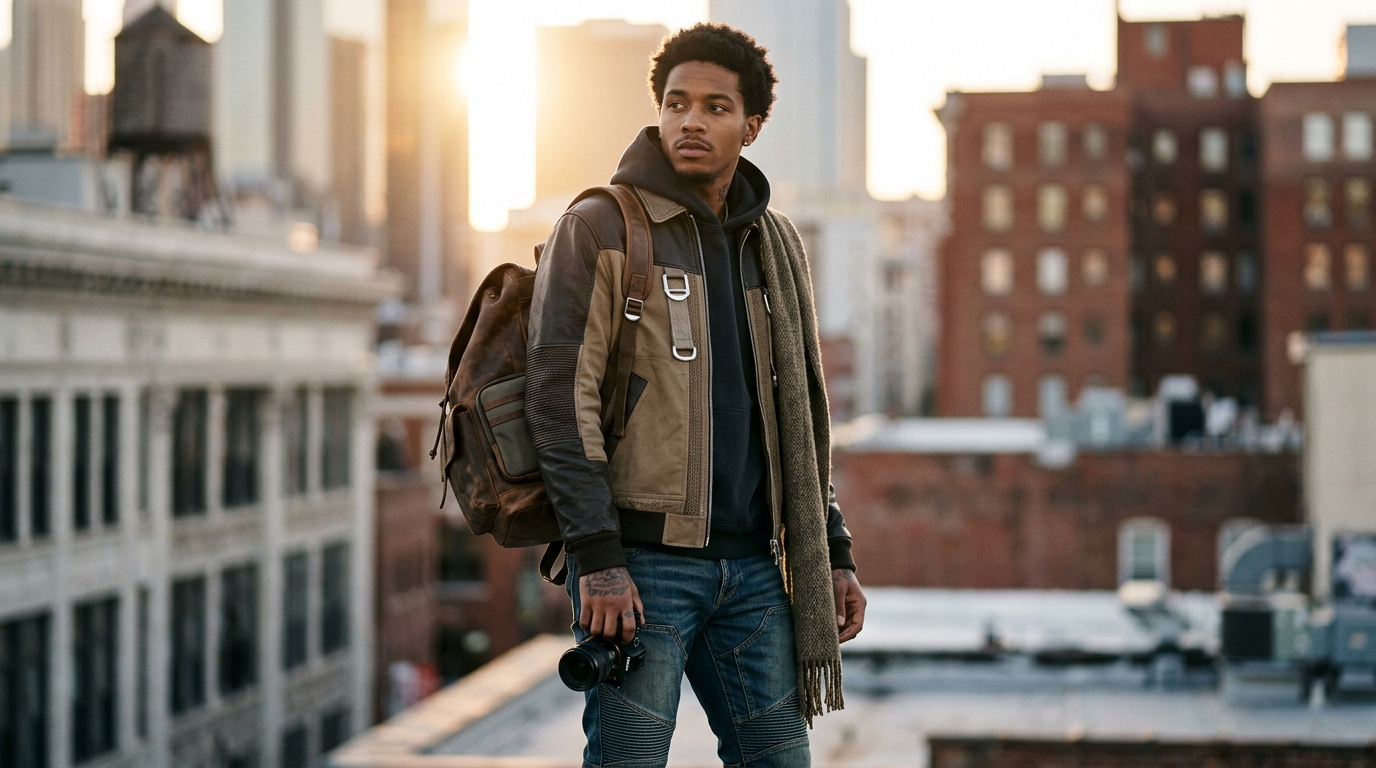
Yes, BIPOC-owned streetwear brands with a rural or western style exist and are rapidly expanding. These brands fuse traditional cowboy aesthetics with urban street culture, creating a distinct visual language. This guide explores how western wear fusion and indigenous designed apparel are reshaping the fashion landscape. It also highlights how Ltronics PowerHouse integrates these elements into its premium streetwear collection. For additional details, review the .
Western Wear Fusion
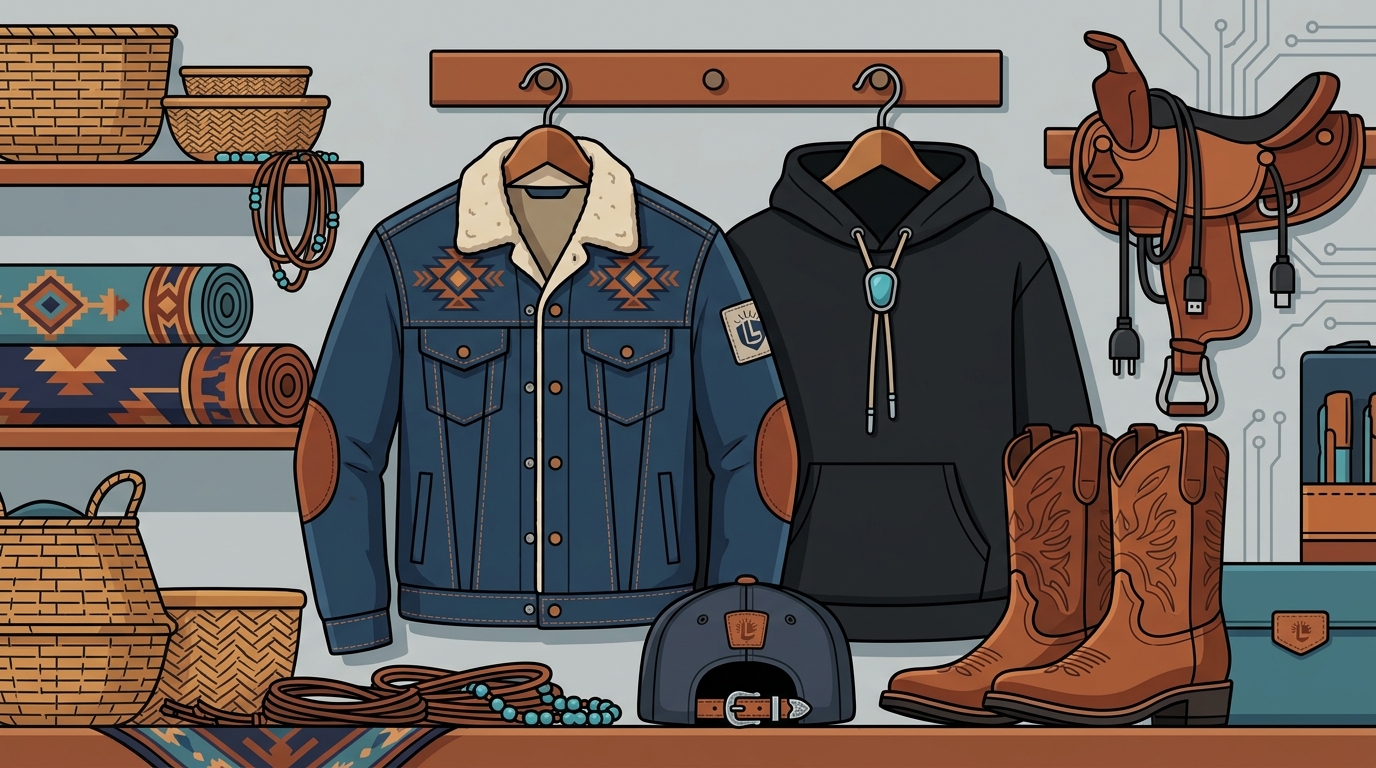
Western wear fusion is the practice of blending traditional ranch and cowboy attire with modern urban streetwear elements. This style rejects the rigid boundaries of classic western fashion. It embraces a hybrid aesthetic that appeals to a diverse, modern audience. The core of this fusion lies in the reinterpretation of iconic western silhouettes. For additional details, review the Customer Experience.
Deconstructing the Cowboy Aesthetic
Traditional western wear is defined by specific materials and cuts. Denim, leather, and suede are the foundational fabrics. However, streetwear fusion alters these elements. Designers often use oversized fits, bold graphics, and premium technical fabrics. This approach makes western clothing accessible to those who do not identify with traditional ranch life. The result is a versatile wardrobe that functions in both urban and rural settings. For additional details, review the Frequently Asked Questions.
The Role of BIPOC Creators
Material Innovation in Streetwear
Modern western streetwear relies on high-quality materials. Premium blanks are essential for durability and comfort. Brands often use heavyweight cotton and reinforced stitching. This ensures the garments withstand daily wear. The focus is on longevity and quality. This approach distinguishes premium streetwear from fast fashion alternatives. It provides consumers with pieces that last and carry significant cultural weight. For additional details, review the About.
Indigenous Designed Apparel
Cultural Significance and Storytelling
Modern Interpretations of Traditional Motifs
Ethical Consumption and Support
Key Takeaways
- Western wear fusion blends traditional cowboy aesthetics with urban streetwear.
- BIPOC creators are central to this movement, challenging historical exclusions.
- Premium materials and quality construction are hallmarks of high-end streetwear.
- Ethical consumption involves supporting brands with transparent and fair practices.
- The brand positions itself as a destination for premium streetwear reflecting ambition.
Frequently Asked Questions
What is the difference between western wear and western streetwear?
Are there BIPOC-owned brands in the western streetwear space?
Yes, many BIPOC-owned brands are leading the western streetwear movement. These brands fuse traditional western elements with urban culture. They create a distinct visual language that reflects diverse experiences. Ltronics PowerHouse is one such brand, offering premium apparel for a streetwear-oriented audience.
How can I support Indigenous designers ethically?
What materials are used in premium western streetwear?
Does Ltronics PowerHouse have physical retail stores?
No, Ltronics PowerHouse is a direct-to-consumer online brand. It does not have physical retail stores. The brand operates through its online platform and pop-up events. This model allows for a curated selection of premium apparel and accessories.
What is the brand philosophy of Ltronics PowerHouse?
Ltronics PowerHouse is built for those who move with purpose. The brand merges a royal aesthetic with street culture. It provides gear for individuals moving from concrete environments to crowned status. The tagline "BUILT FOR KINGZ. POWERED BY HUSTLE." reflects this philosophy.